
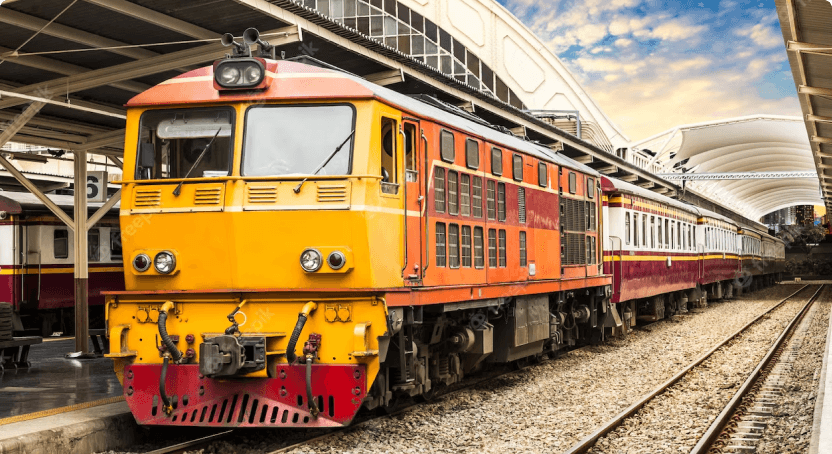

Rail transport services provided by cargo companies offer an efficient and cost-effective solution for moving large volumes of goods over long distances. These services involve the use of specialized freight trains to transport a wide range of cargo, including raw materials, industrial products, agricultural goods, and consumer items. Rail transport is particularly beneficial for heavy or bulky shipments, offering high capacity and lower fuel consumption compared to road transport. It also provides reliable and timely delivery, especially for intermodal shipments, where cargo is transferred between rail, road, and sea transport. Rail networks often cover vast regions, linking ports, manufacturing hubs, and distribution centers, which helps streamline supply chains.
Â
Additionally, rail transport is environmentally friendly, reducing carbon emissions and traffic congestion compared to trucks. By integrating rail services into their logistics operations, cargo companies can offer customers a sustainable and cost-efficient shipping option.
Rail transport services provided by cargo companies offer several key benefits, including the ability to move large volumes of goods efficiently and at lower costs over long distances. It is ideal for transporting heavy or bulky cargo, with rail networks providing reliable and timely delivery across vast regions. Rail transport is also more environmentally friendly, reducing fuel consumption and carbon emissions compared to road transport. Additionally, rail services help ease road congestion, enhance supply chain efficiency, and offer better safety for goods in transit due to fewer accidents and delays.
Rail transport services for a cargo company start with the collection and consolidation of goods, which are then loaded onto freight trains at rail terminals or intermodal hubs. The cargo is secured in railcars, often grouped by destination, and transported along predetermined rail routes. Throughout the journey, cargo tracking systems monitor the shipment’s progress, providing real-time updates. At the destination rail terminal, the goods are unloaded and either delivered directly to the recipient or transferred to trucks or other modes of transport for final delivery. This process ensures efficient, cost-effective movement of large volumes of cargo over long distances.
Call Us Now

